

The Truth
Here, I share my experiences with a deeply wounded woman who profoundly shaped my life. This is about holding complexity, loving, longing, and acknowledging the pain. It's grief matured into clarity, the ache of unseen loneliness, and the relief of naming how those experiences shaped me.
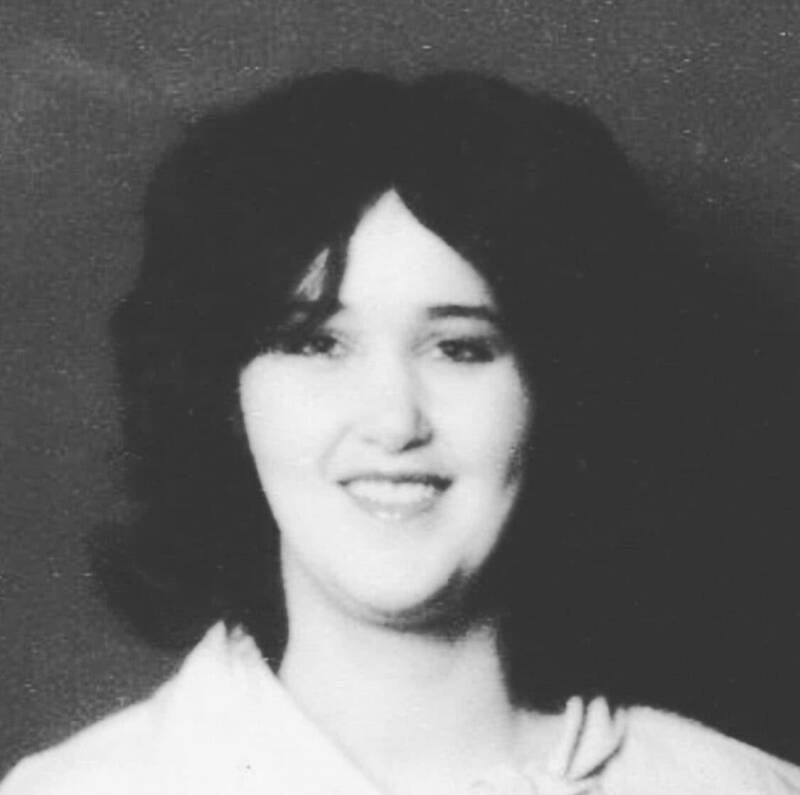
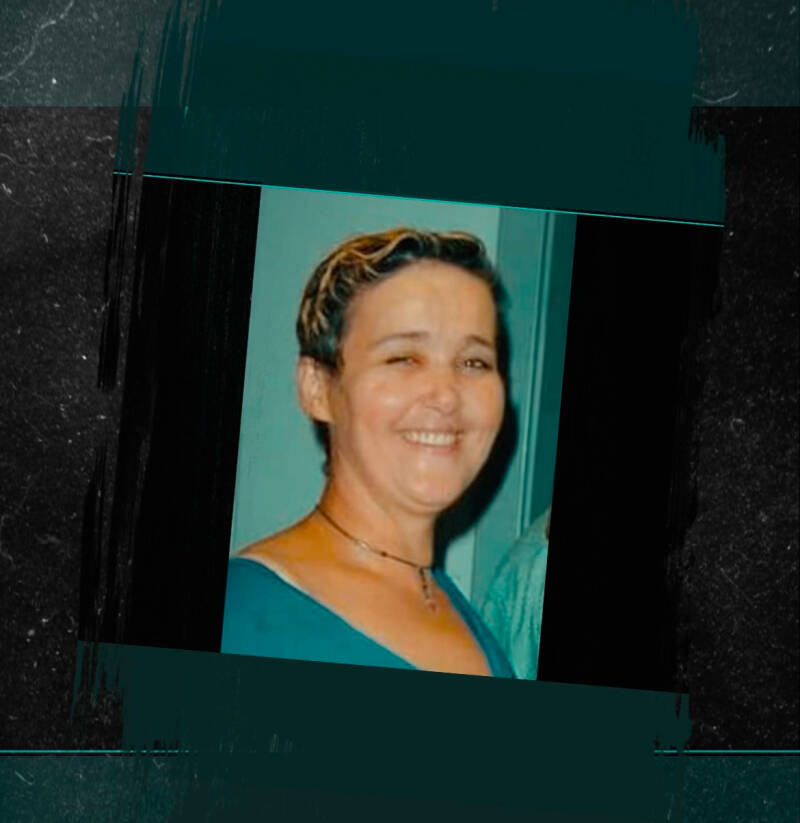
My Mother, the Pedestal, and the Truth I’m Finally Ready to Tell
For many years, I told one version of my story about my mother. It was the version that made sense when I still needed her to be safe.
In that version, she was strong, overworked, misunderstood.
A victim of my father.
A woman doing her best with what she had.
And some of that was true.
But it wasn’t the whole truth.
This year marks twenty years since my mother passed away, and something has shifted in me. The grief no longer feels soft or sentimental. It feels sharp, honest, and overdue. I find myself remembering not just the love I wanted from her, but the love I didn’t receive. Not just who she was to me, but who I had to become to survive her.
This is not a story about blame.
It is a story about impact.
Growing up, my world was divided into sides. My father was the villain, and my mother was the one we were supposed to protect. Loving her meant aligning with her pain. Being close to her meant agreeing with her version of events. There was no neutral ground.
To keep peace in our home, we learned quickly what was expected of us:
we hated our father.
Out loud; with conviction.
And even when I did exactly what she wanted; said the right things, chose her side, carried her anger... she still looked at me and saw him. She told me she hated me for being his child. Those words didn’t float away. They settled deep in my nervous system, where they still echo.
I learned early that love was conditional; that safety could be revoked, that closeness came with a cost.
I believed, as a child, that once my parents divorced, we would finally be free. Free from conflict. Free from fear. Free from chaos.
But when my father was gone, the pain didn’t leave with him.
It concentrated.
Without him as the target, my mother’s unresolved rage, grief, and resentment had nowhere to go. So it landed on us, on me, and on my twin. The emotional intensity sharpened. The criticism deepened. The unpredictability increased.
I became hyper-aware of her moods, constantly adjusting myself to avoid setting her off. I learned to read a room before I learned to read myself.
This wasn’t discipline.
It was displacement.
And I didn’t know then that children who grow up this way don’t develop a sense of safety inside themselves. They develop hypervigilance.
When my mother passed away, I did what many grieving children do: I elevated her. I focused on her struggles, her sacrifices, her pain. I remembered her as the person I wished she had been, not always the person she was.
I needed her to be good, because if she wasn’t, then my childhood had been unsafe, and that truth felt unbearable at the time.
So I protected her memory.
And in doing so, I abandoned my own.
It took years before I could even speak to my father again, because it felt like betrayal. Loyalty outlived logic. Even in death, I was still trying to be the daughter she wanted.
Growing up this way didn’t just hurt my feelings.
It shaped my brain.
I learned that love required performance.
That connection depended on compliance.
That being myself was risky.
So as an adult, I held onto people tightly. I tried to become what others wanted so they wouldn’t leave. I over-gave, over-explained, over-functioned. I stayed in relationships longer than I should have. I lost myself trying to be chosen.
Addiction didn’t come out of nowhere. Neither did my struggles in early parenting. I was regulating pain the only way I knew how. I was trying to fill a void that started long before substances ever entered my life.
For a long time, I couldn’t understand God either. A loving, safe authority didn’t match my lived experience. Trust didn’t come easily to me, spiritually or emotionally.
Now I see why.
Both of my parents are gone now, and there is a unique loneliness in realizing there is no one left who remembers you as a child. No one to call and say, “I’m tired. I don’t know what I’m doing.”
I don’t miss my parents as they were.
I miss the parents I needed.
That grief still visits me. Quietly. Often.
The Mother I Chose to Become
I am a mother now. And I want to be very clear about something: I do not parent from hatred or revenge. I parent from awareness.
My mother showed me, very clearly, what happens when children are made responsible for adult pain. She taught me, by example, what not to do.
So I pause when I want to yell.
I repair when I get it wrong.
I tell my children I love them, even when I’m overwhelmed.
I choose presence over power.
I am not perfect. I wasn’t perfect during addiction either. But I came back. I got help. I stayed. I chose to break patterns instead of repeating them.
That matters.
My mother was a victim.
And I was too.
Both truths deserve space.
Writing this doesn’t mean I loved her less.
It means I am loving myself more.
I no longer need to protect her at the expense of my own story. I can hold compassion without erasing harm. I can grieve honestly. I can remember fully.
This is not a rejection of my mother.
It is an acceptance of reality.
And maybe, finally, a release.
"You can tell the truth without being cruel. You can honor your parent without erasing yourself. You can grieve what you didn’t receive and still grow into someone who gives love differently. Most of all, I want people to feel less alone in their complexity, and to know that healing doesn’t require rewriting the past, only understanding it."
The SASSEY Project II
Create Your Own Website With Webador