

The "How"
This page is designed to help you make peace with a version of yourself you thought you failed. If you feel stuck in the shadow of a past win, peak, or label; believe if it didn’t last, it didn’t count; are quietly grieving a version of life you thought would save you; or don’t know how to carry success and disappointment without shame, then you're in the right place. This page will show you how to reframe a “peak” as a chapter, not a verdict, extract wisdom instead of bitterness, honor who you were without being imprisoned by it, and keep going without erasing the past or living inside it. Remember, you are not late. You are not finished. You are not your highlight reel. If you're asking, “If that was my moment… what do I do now?” the answer is whispered, not yelled: You build forward; with clarity, humility, and purpose, using what you learned when the lights were on and when they went out...here's how:
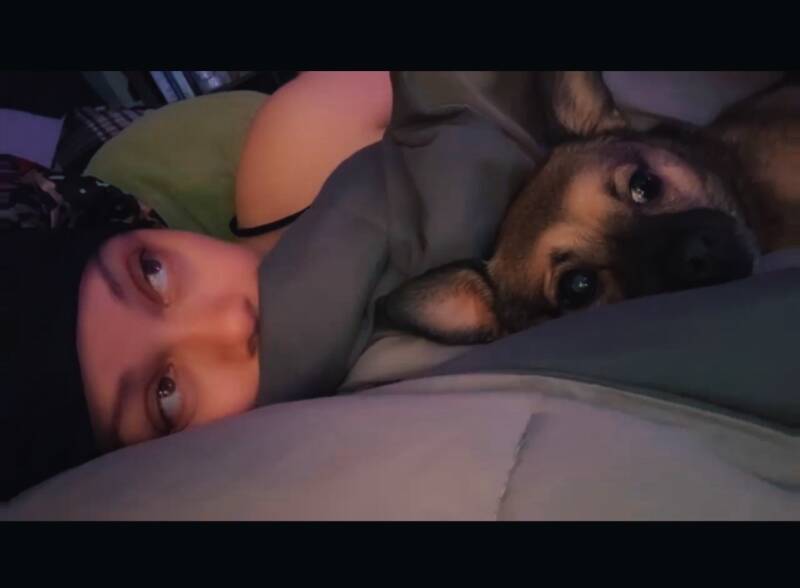
Clean, But Not Clear; The Long Road to Real Healing
There was a time I thought I was just a victim.
Like life had it out for me.
My childhood, my parents, the heartbreaks, the confusion… all of it. I used to ask 𝐆𝐨𝐝, “Why me?” like I was picked out of a cosmic lineup to suffer.
Early recovery was especially loud with that question. I remember meeting with my sponsor Lisa and asking her the same thing over and over:
“Why did this happen to me?”
And she’d just sit with me in my storm. Patient. Gentle. Unmoving.
I didn’t know then that the question wasn’t “why me?," it was “what for?”
For a long time, I sat in the pity of my history like it was a prison cell with no key. I couldn’t let go, because I needed a reason. I needed to understand why 𝐆𝐨𝐝 made me endure so much pain. But pain, I’ve learned, is not punishment. It’s preparation.
It took me years. Years of walking through fire, sometimes barefoot, to realize I wasn’t cursed. I was being carved.
What felt like breaking was really shaping.
And now? I’ve found my purpose.
Not just in my career as a counselor. That’s only part of the picture.
My purpose is in my presence. It’s in the way I sit with people. The way I create space. Safe space. Soul space.
𝐆𝐨𝐝'𝐬 fingerprints are all over the way I love.
I have conversations with strangers sometimes, in coffee shops, at gas stations, where people speak from this place of deep despair. Like life just keeps happening to them, never for them. And I get it. I was there.
But there comes a moment, a shift, when you stop blaming the world and start searching your soul.
Here’s what I’ve come to believe:
The way we view the world determines the peace we’re able to access.
We blame karma, trauma, or generational curses, but sometimes the real battlefield is just within our own minds.
We don’t need to “fix” the world, we need to feel ourselves again.
Peace comes from within.
And it stays when you stop letting people shake you off your square.
It’s radical acceptance. It’s saying:
“Okay, I didn’t want this to happen… but now that it has, what will I do with it?”
Pain doesn’t come to break you. It comes to teach you how to build.
And not just for your own house, but for someone else’s shelter too.
Sometimes your scars are someone else’s survival guide.
So I don’t just preach about boundaries and coping skills and emotional regulation, I practice them. Every. Single. Day.
I slow down my breathing when my anxiety tries to hijack me.
I check myself back into the present, because that’s where 𝐆𝐨𝐝 lives.
My mind tries to lie to me sometimes.
Tries to convince me I’m still that broken girl who needed rescuing.
But I’m not her anymore.
I’m the woman she dreamed I’d become.
There are still fractured versions of me inside.
Younger Nicoles who never got what they needed.
But I show up for them now.
I hold their hands. I tell them, “I got you.”
Some might call that crazy. I call it healing.
I don’t ever want to forget who I was…
Because every version of me; wounded, wild, or weeping- paved the way for this woman standing here now:
Lit up.
Alive.
And ready to turn her pain into peace for someone else.
✓ “The Work That Keeps Me Free”
Nobody told me healing would be this much work.
I thought recovery was just about quitting the thing that was killing me.
But the real challenge was learning to live after that;
to breathe without guilt, to feel without fear,
to sit in silence without needing to escape.
See, the real work ain’t just in the not-doing.
It’s in the becoming.
It’s in the showing up, day after day,
for yourself, your peace, your truth.
Even when it hurts.
Especially when it hurts.
There’s a version of me that used to think I was cursed.
That 𝐆𝐨𝐝 just gave me a heavy story and said, “Good luck.”
But I’ve come to understand…
my pain had a purpose.
And the work I do now, for myself and others, is part of that redemption.
The Tools I Use to Stay Free
There’s a moment in recovery;
it creeps in quiet,
where the trigger hits, the grief sneaks in,
or the world starts to feel too heavy to carry.
And in that moment, the pain starts trying to bargain with you.
“Just one drink.”
“Just one text.”
“Just disappear for a little while.”
But healing ain’t passive.
You gotta work for your peace.
And when the world starts spinning, I don’t reach for escape;
I reach for my tools.
“I don’t run from the storm no more… I build shelter in the rain.”
• Breathing Like My Life Depends on It
Box breathing.
Deep inhales.
Back to center. Back to now.
• Talking to 𝐆𝐨𝐝 Out Loud
Raw prayers.
Ugly honesty.
Real faith.
“Even my whispers are heard in heaven.”
• Journaling the Ugly Stuff
Because my journal can hold what my heart can’t.
• Grounding Myself in the Present
5 things I see.
4 I can touch.
3 I hear.
2 I smell.
1 I taste.
Back to Earth. Back to me.
• Reaching Out Instead of Reaching Back
Healing doesn’t happen in hiding.
Connection is the cure.
“Pain isolates. Healing connects.”
• Music Therapy
Sometimes the lyrics pray for me.
Sometimes they remind me who I am.
• Boundaries Like a Boss
“No” is not rude.
It’s recovery in action.
• Creative Expression
Art, music, movement,
whatever lets my soul speak louder than my wounds.
• Safe People + Safe Places
I only go where I can exhale.
Where I don’t have to shrink.
• Soul Declarations
“Peace is mine.”
“I’m safe now.”
"𝐆𝐨𝐝 is here.”
"Even now, I am healing.”
“Every time I choose peace over panic, I prove to the past that it no longer owns me.”
• Crying Without Apologizing
Because tears make room for something new.
• Nature as Medicine
God in the trees.
Grace in the wind.
Healing in the light.
• Talking to My Inner Child
“I see you. I got you now.”
Every version of me deserves love.
• Rest Without Guilt
Slowing down is sacred.
Doing nothing is sometimes doing everything.
• Celebrating the Small Stuff
Every sober day is a miracle.
Every kind thought toward myself? A revolution.
• Therapy. 𝐆𝐨𝐝. Repeat.
Because both can be holy.
And both can hold me.
“You don’t just recover from a life you survived, you rebuild one you love.”
Doing the work means knowing the work never really ends.
But that’s not a curse, that’s a calling.
Because I’m not just healing for me.
I’m healing for the women who feel like I used to:
lost, tired, unseen, too broken to be whole.
But baby, wholeness was always mine.
I just had to dig through the rubble to find it.
I don’t carry shame anymore.
I carry light.
And every day I use these tools, I shine that light on somebody else’s path,
without forgetting to keep some for myself.
So no, I’m not cured.
But I’m free.
And every single day I stay free…
I call that a win
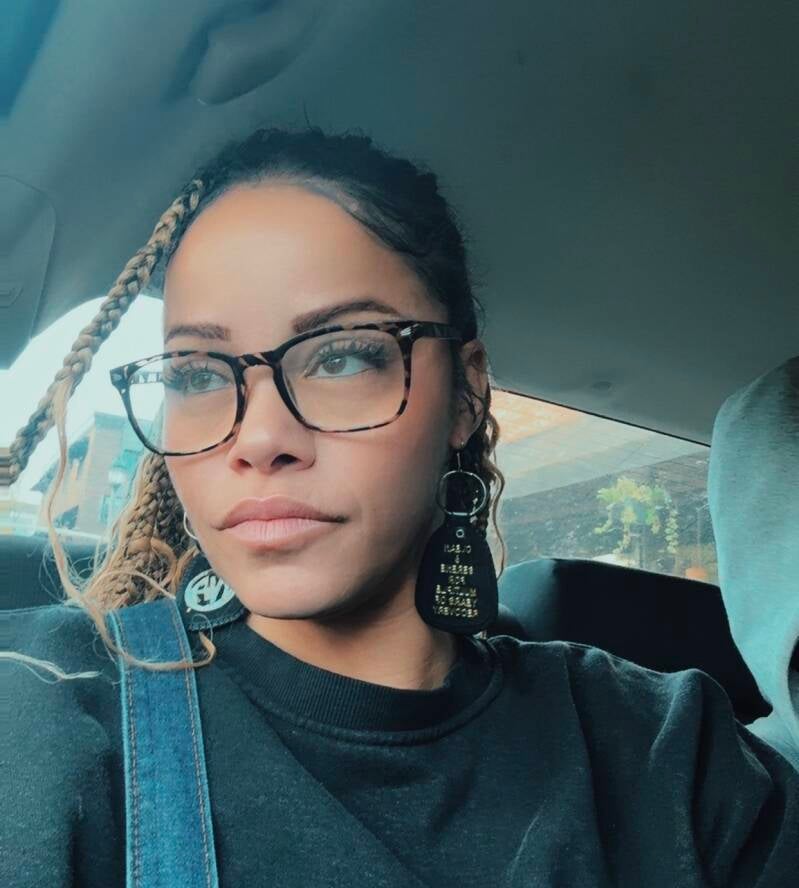
The REAL work begins here:
Treatment, Recovery, and the Long Game
1. What I thought treatment was 🤔
I used to think treatment was just a time-out from addiction. A court-ordered pause button. A temporary escape from the chaos I had created or inherited. But what I found… was a classroom, a mirror, and a map. I didn’t walk into treatment healed, I walked in half-formed, emotionally frozen, mentally exhausted, and spiritually starving.
2. Your brain on pause 🧠
Addiction doesn’t just hijack your behavior, it hijacks your development. When you start using young, your brain doesn’t mature the way it’s supposed to. The prefrontal cortex, the part responsible for decision-making, self-regulation, and long-term planning, gets stalled. That’s why in early recovery, a 35-year-old can cry like a 15-year-old and throw tantrums like a 10-year-old. The clock got stuck. Treatment gives us a chance to finally let that clock tick again.
Recovery doesn’t rewind your life. It just gives you the tools to pick up where you left off, and do it differently this time.
3. The power of chemistry 🧪
Let’s talk dopamine. When you use substances that flood your brain with feel-good chemicals, your brain stops producing them naturally. Once the substances are gone, so is the pleasure. That’s why early sobriety feels like you’re underwater emotionally; numb, joyless, and exhausted. The brain needs time to reboot.
Treatment is a safe space for that. You’re not just detoxing from the drug... you’re detoxing from a way of life. That takes more than time. It takes intention.
4. Why support systems matter 🫂
Healing in isolation is like trying to plant a flower in concrete. We need each other. In treatment, the stories of strangers become sacred; the laughter over coffee, the tears in group, the “I felt that too” moments that make you feel like maybe, just maybe, you’re not alone.
Support comes in many forms:
• 12-Step Groups: These aren’t just rooms, they’re lifelines. Principles like surrender, honesty, and inventory create an inner structure to rebuild a life.
• Faith/Spiritual Connection: For me, God was never the one who left, I was. Treatment reminded me to listen again. To pray. To trust.
• Sponsorship: A sponsor isn’t a therapist. They’re a flashlight holder. Someone who’s walked the dark hallways and isn’t afraid to walk with you through yours.
• Peer Support & Community: Healing happens in the trenches, in community centers, coffee shops, after meetings, at 2AM check-ins. We need to be seen. And we need to be known.
5. Why treatment is not a cure 🤧
Let me be clear: treatment isn’t a magic fix. You don’t walk out “cured.”
Addiction doesn’t vanish. It sleeps. And like cancer in remission, it waits for the right environment to grow again. That’s why ongoing therapy matters. Because new trauma will come. Old wounds will reopen. What you healed from at 25 may not hold up when you face grief at 45. Therapy over time is like tuning an instrument, it keeps you in key.
6. Mental health: The lifetime contract 📄
You don’t graduate from self-awareness. You don’t outgrow the need to unpack your mind. Therapy isn’t just for the moment, it’s for the maintenance.
It helps you revisit what you thought was resolved, and gives you the courage to meet the new versions of yourself that life brings forth.
Healing doesn’t mean nothing hurts anymore. It means when it does, you don’t run; you sit with it, speak on it, and soothe it with truth.
7. Recovery is a promise 🤞🏽
Recovery is not just staying clean. It’s a commitment to yourself to heal.
To love yourself enough to stop reenacting the trauma.
To stop letting old pain become new prisons.
To face the parts of yourself you once numbed.
To accept that this journey isn’t about perfection... it’s about showing up, honest and willing, for the rest of your life.
8. Forever a Newcomer 🫱🏼🫲🏽
You’d think that after 10 years clean, I’d have it all figured out. That I’d be standing on the top of some mountain with a cape on my back and a crown of serenity on my head. But nah… I still feel like a baby giraffe some days. Shaky. Wobbly. Brand new.
That’s the thing about recovery, it doesn’t age the way you think it will. If I started using at 14 and got clean at 33, that means emotionally, developmentally, and spiritually, I’m just now hitting double digits. So yeah… at 10 years clean, I’m about 10 years old in recovery years. That’s why sometimes I still cry like a teenager, doubt myself like a middle-schooler, and need reassurance like a child who just learned how to ride a bike.
Clean time doesn’t equal grown time.
Maturity in recovery is earned, not counted.
That’s why we stay close to the basics. That’s why we say things like “Keep it simple” or “Stay teachable.” Because we know, the minute you think you’ve arrived, the disease of addiction will send you a one-way invitation back to the pit you clawed your way out of.
So I choose to stay a newcomer.
• I sit in the front row when I can.
• I raise my hand.
• I ask for help.
• I keep learning like it’s day one, because in a lot of ways, it is.
Some lessons I couldn’t even understand when I was 90 days clean. Some wisdom had to marinate. Some healing needed time to surface. And with every year I stay clean, a new layer gets revealed.
Recovery is like peeling an onion in slow motion. There’s always more underneath, and sometimes it’ll make you cry.
But this isn’t a punishment. It’s a blessing. Because every “new beginning” I walk into is another invitation to love myself deeper, forgive myself more fully, and become someone I never imagined I could be.
So yeah, I’ve got eleven years clean…
But I’m still just getting started.
9. The questions that save us ⁉️
After all these years, I’m still asking questions.
Not about other people, not “Why did they do me like that?”
But deeper questions. Soul questions.
• Why did I react like that?
• What part of me was afraid, or small, or trying to survive?
• Why did I shut down when they asked me how I felt?
• What memory just got triggered without warning?
This is the quiet work.
The sacred curiosity that makes you a student of your own spirit.
oxicity turns the volume up on survival and drowns out the whispers of healing.
But when the noise dies down…
When you finally create space, through treatment, prayer, clean time, or just the decision to stop running, those little tiny feelings start to surface.
The ones you ignored.
The ones you thought didn’t matter.
The ones that say:
• “I’m scared.”
• “I’m not okay.”
• “I need to cry but I don’t know why.”
• “I don’t feel safe.”
• “I just wanted someone to see me.”
Those are the seeds. And when you learn to notice them, the little flickers before the full-blown fire, that’s when you really start healing.
We don’t start healing in the storm. We start healing with the first raindrop we didn’t ignore.
That’s why in recovery, you learn to check in with yourself like it’s your second job:
• “What am I feeling right now?”
• “Is this about today, or is this about something old showing up in new clothes?”
• “Do I need a nap, a prayer, a walk, or a conversation?”
• “What does my inner child need from me in this moment?”
These little check-ins become your emotional compass.
And over time, you don’t just learn to stay clean, you learn to stay present.
So that when life gets really hard; when the grief hits, when the relationship falls apart, when old wounds open, you’re not just reacting. You’re responding. From a place of love, not fear. From wisdom, not survival. From spirit, not ego.
10. Making mistakes while clean: having Grace while growing 🙏
People think that once you get clean, life gets easy. That all your decisions line up in a row like obedient little ducks, and peace follows you around like a puppy.
But no.
Real talk? Sometimes it feels harder when you’re clean. Because now? You feel everything.
No buffer. No escape.
Just raw, unfiltered emotions and a body that’s still learning how to carry them.
We make mistakes in recovery.
We snap at people we love.
We lie to avoid discomfort.
We isolate when we promised we wouldn’t.
We go back to familiar dysfunction because healing feels too unfamiliar.
And guess what?
That doesn’t make us bad. That makes us becoming.
Recovery doesn’t make you perfect. It makes you present.
And when you’re present, you’re going to feel everything you once ran from.
Fear. Jealousy. Shame. Loneliness. Grief. Rage.
All of it.
And instead of burying it, now you sit with it. And that alone is the bravest thing in the world.
11. The "split selves." Learning to love the whole you ♥️
In early recovery, I used to look back on my past self with shame, like she was some stranger I couldn’t forgive.
But now I understand something deeper:
There isn’t just one “me.”
There are many versions of me.
• The child who just wanted to be seen.
• The teenager who numbed out to survive.
• The young woman who mistook attention for love.
• The mother who did her best even when she was falling apart.
• The counselor who still battles imposter syndrome sometimes.
• The woman of faith who sometimes still doubts.
They are all me.
And they all needed something.
Something only I can give them now.
Recovery is reparenting every version of yourself that never got what they needed.
And loving them without shame.
So when I act out today, not by using, but by getting defensive, withdrawing, or falling into old thought patterns, I don’t beat myself up. I get curious.
• “Which version of me is reacting right now?”
• “What does she need?”
• “Can I speak to her gently this time?”
That’s the work.
Not pretending we’re healed, but staying in relationship with ourselves as we heal.
Again. And again. And again.
12. The symptom not the sickness 🤕
The drugs weren’t the problem.
They were the solution we reached for.
The medicine we chose when nothing else was offered.
The only thing that made the ache quiet down, even if only for a moment.
Addiction is not about liking the high.
It’s about needing the relief.
We used because we didn’t know how else to survive.
Not just the pain we lived through,
but the pain we never knew how to name.
Loneliness.
Abandonment.
Unworthiness.
Grief we inherited.
Anger we swallowed.
A childhood spent walking on emotional landmines, afraid to make a sound.
No one teaches you what to do with those things.
So we numbed.
We ran.
We got high.
Not to feel good, but to feel nothing at all.
And the real tragedy?
The world punished us for the symptom…
but never asked what the sickness was.
Nobody ever said, “Tell me what hurts so bad that you needed to disappear.”
But in recovery, we start to ask ourselves that.
We stop obsessing over the substance and start digging under it.
We learn:
• That the void wasn’t in our veins, it was in our spirit.
• That the craving wasn’t for a chemical, it was for connection.
• That the pain didn’t start with our first hit. It started way, way before that.
The drug was never the problem. The problem was never feeling safe inside ourselves.
And that’s what this journey is about.
Not just putting the pipe down.
Not just stepping away from the bottle.
But learning how to hold what hurts without running.
Learning how to stay with ourselves when the storm rolls in.
Learning how to live without anesthetic, and still find joy.
Because when we treat the root, the symptom starts to lose its power.
And what’s left is someone brave enough to feel it all,
heal it all,
and rise anyway.
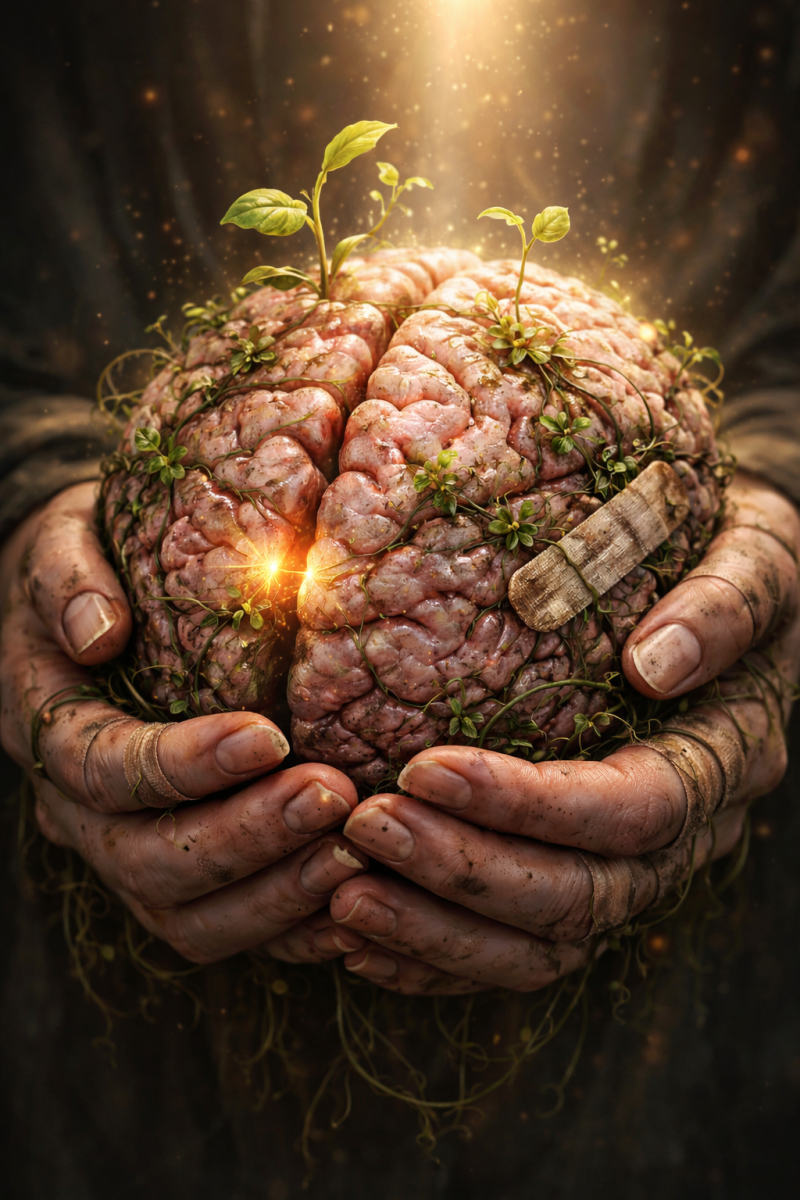
If you feel stuck in the shadow of a past win, peak, or label; believe if it didn't last, it didn't count; are quietly grieving a version of life you thought would save you; or don't know how to carry success and disappointment without shame, then you're in the right place.
Remember, you are not late. You are not finished. You are not your highlight reel. If you're asking, "If that was my moment... what do I do now?" the answer is whispered, not yelled:
You build forward; with clarity, humility, and purpose, using what you learned when the lights were on and when they went out...here's how:
1. Tell the Truth (Without Decorating It)
You stop lying to yourself about what hurt, what worked, and what cost you.No minimizing. No glorifying. Just honesty with compassion.
Recovery skill: radical honesty
Trauma skill: naming the wound
Spiritual skill: confession without condemnation
2. Grieve What Was Lost
You allow yourself to mourn the dream, the version of you, the life you thought success would save.
You stop rushing past the sadness to "be strong."
Recovery skill: feeling feelings fully
Trauma skill: allowing grief to complete
Mental health skill: emotional regulation instead of suppression
3. Separate Identity from Performance
You learn that who you are is not what you did, how long it lasted, or who clapped.
Worth becomes intrinsic, not earned.
Recovery skill: ego deflation
Trauma skill: rebuilding self-concept
Mental health skill: dismantling shame narratives
4. Surrender Control (For Real This Time)
Not performative surrender.
Not "God, help me but let me drive."
The kind where you admit: I don't actually know how to save myself.
Recovery skill: Step work energy
Spiritual skill: humility
Life skill: letting go of outcomes
5. Replace Coping with Connection
You stop numbing, proving, escaping, or hustling for worth.
You choose prayer, community, therapy, service, stillness, even when it's uncomfortable.
Recovery skill: healthy coping tools
Mental health skill: co-regulation
Trauma skill: safety through connection
6. Integrate the Past (Don't Erase It)
You don't disown the girl, the addict, the artist, the survivor.
You gather all versions of yourself and let them sit at the same table.
Recovery skill: self-compassion
Trauma skill: parts integration
Spiritual skill: redemption
7. Walk Forward in Alignment
You stop chasing highs and start choosing peace.
Your life gets quieter... and stronger.
Purpose replaces performance.
Recovery skill: daily practice
Mental health skill: values-based living
Spiritual skill: obedience over ego
Create Your Own Website With Webador